News

Boeing and Carbonfuture Sign Multi-Year Agreement for at least 40,000 Tonnes of Durable Carbon Removal

Boeing and Carbonfuture Sign Multi-Year Agreement for at least 40,000 Tonnes of Durable Carbon Removal

Carbon removal technology

Terrestrial Storage of Biomass

A Low-Cost, Low-Tech Pathway to Durable Carbon Removal
overview
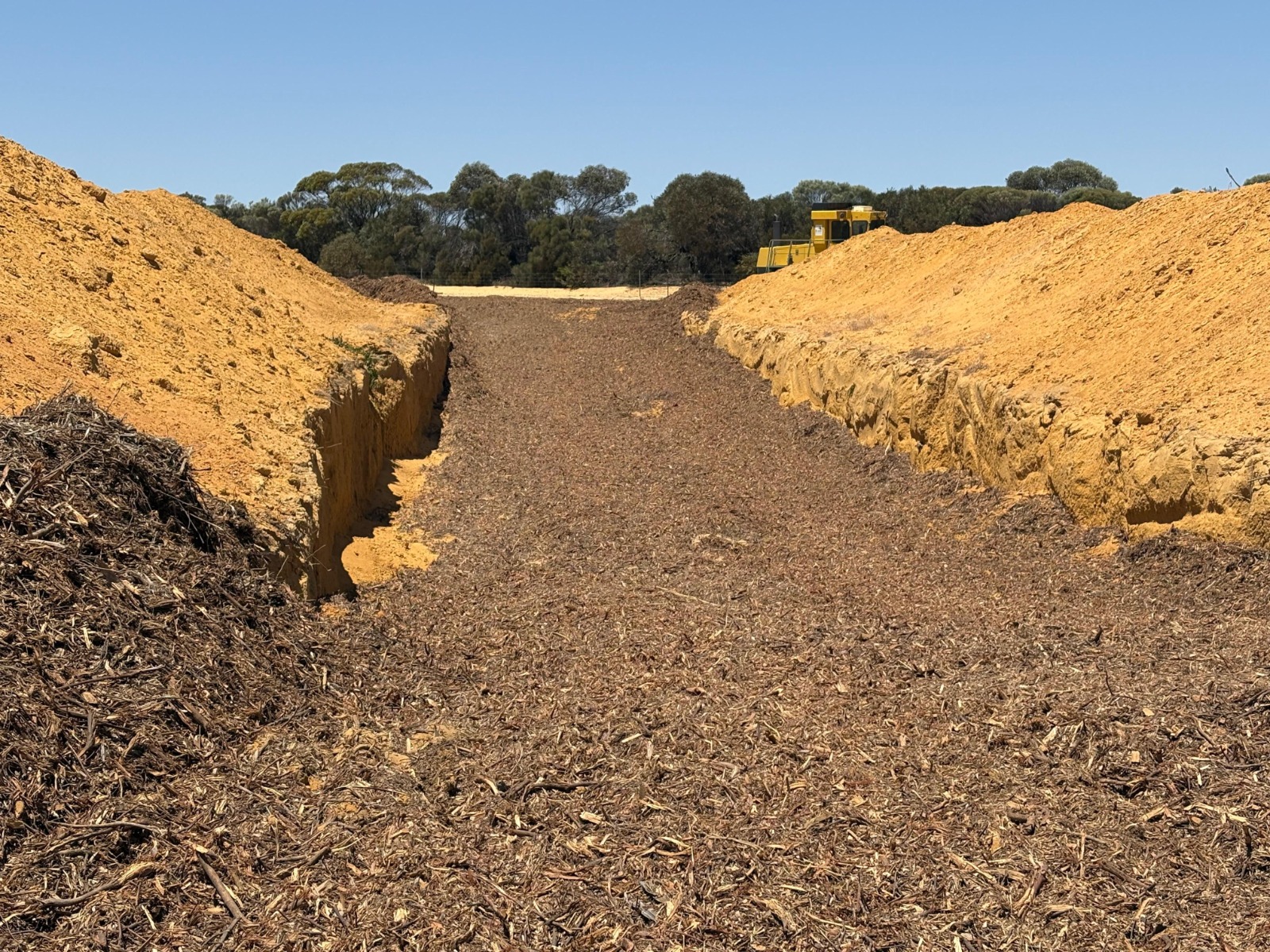
Terrestrial Storage of Biomass (TSB), also known as wood vaulting or biomass burial, removes CO₂ from the atmosphere by burying woody biomass under conditions that prevent decomposition. In its most recent method-by-method review, CDR.fyi described the category as having gone "from a niche concept to a practice," with several suppliers now issuing credits and registries publishing dedicated methodologies. Unlike other biomass-based removal methods, TSB does almost nothing to the wood itself: no pyrolysis, no combustion, no conversion to bio-oil. The wood goes into the ground largely as wood, making it one of the simplest and lowest-cost durable CDR pathways available today.

Quick Facts

Market Position

CDR.fyi rates Biomass Direct Storage as running slightly ahead of the expectations set for it five years ago, citing new supplier credit issuances and dedicated registry methodologies.

Recent capital activity includes Vaulted Deep's $32.3M Series A (2024), Mast Reforestation's $25M Series B for TSB expansion (2025), Carba's first CDR agreement: 40,000 tonnes delivered to Microsoft over five years (2025), and Graphyte's $250K Frontier prepurchase for its Carbon Casting project in Arkansas (2025)

Carbon Removal Potential

Up to 10 gigatonnes of CO₂ per year globally, drawing on sustainably harvestable wood residue without competing with existing land, timber, or conservation use (Zeng et al., 2023)

feedstock Sources

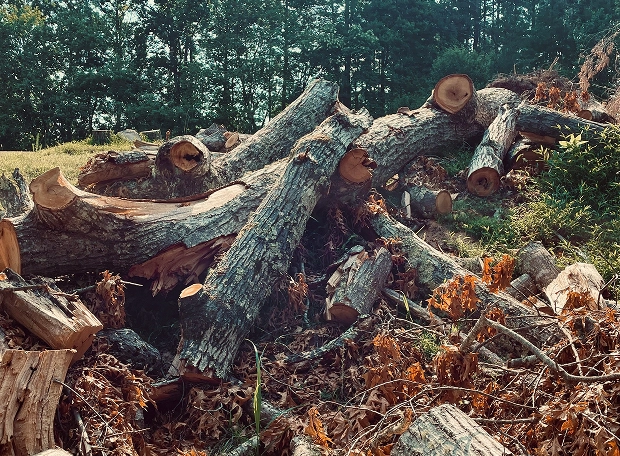
  • Urban waste wood (yard and tree removal)
  • Storm- and fire-damaged trees
  • Invasive species clearing
  • Forest-thinning residue

current deployment

Puro.earth has certified TSB suppliers including Woodcache in Colorado (first TSB CORCs issued in 2024) and Carbonsate in Namibia (799 credits issued in early 2026)

Co-Benefits

TSB projects come with a variety of co-benefits, particularly in wildfire prevention and rural economic development.
Wildfire Prevention
Feedstock often comes directly from forest-thinning operations, removing fuel loads from fire-prone landscapes.
Rural Jobs
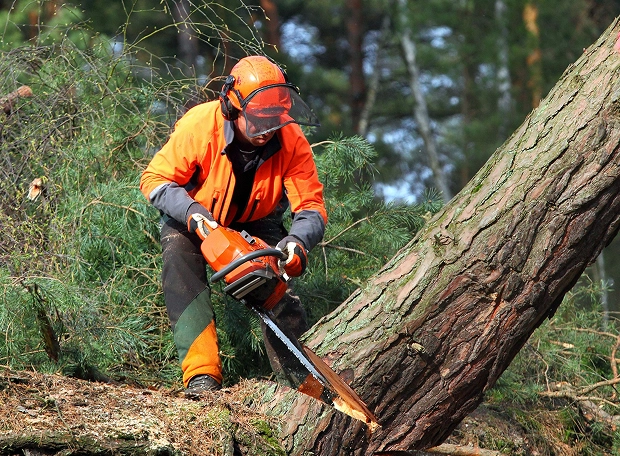
Logging, hauling, and vault construction create work in timber-dependent communities.
Low-Cost Infrastructure
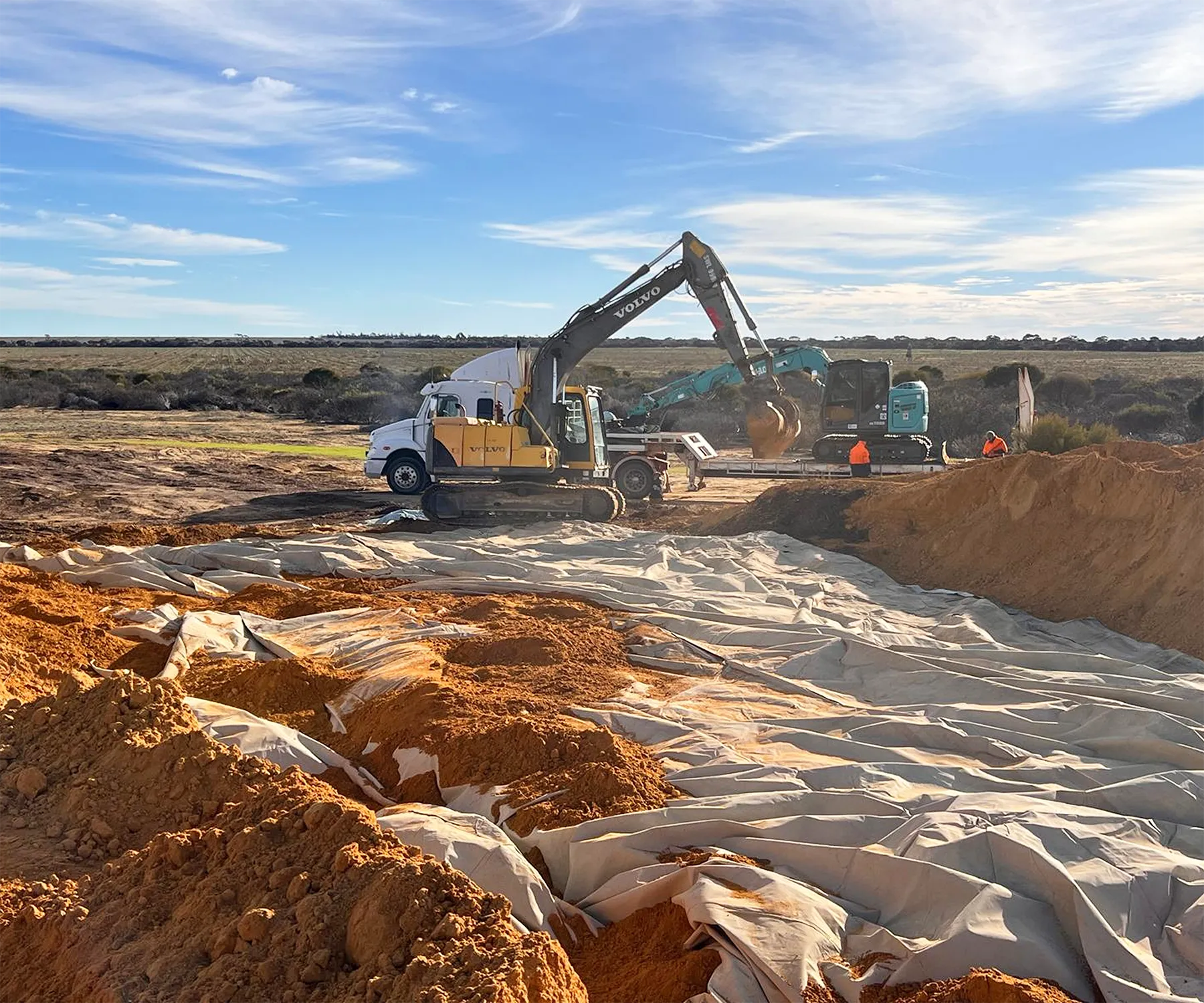
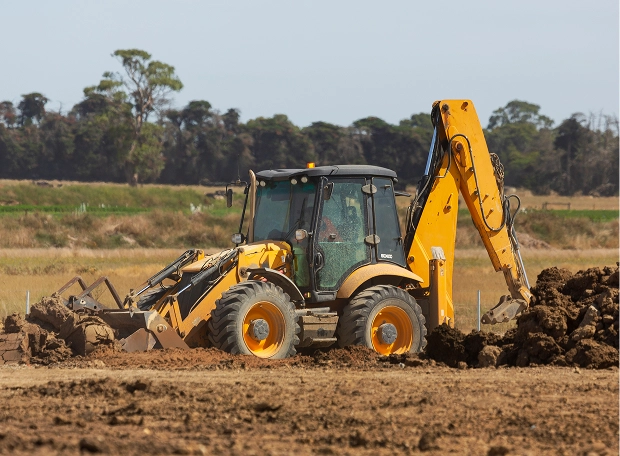
Vaults require only standard excavation equipment and natural materials; no industrial facility needed.
Landscape Management
Clearing woody debris prevents it from blocking waterways and roads or degrading land.
Small Footprint
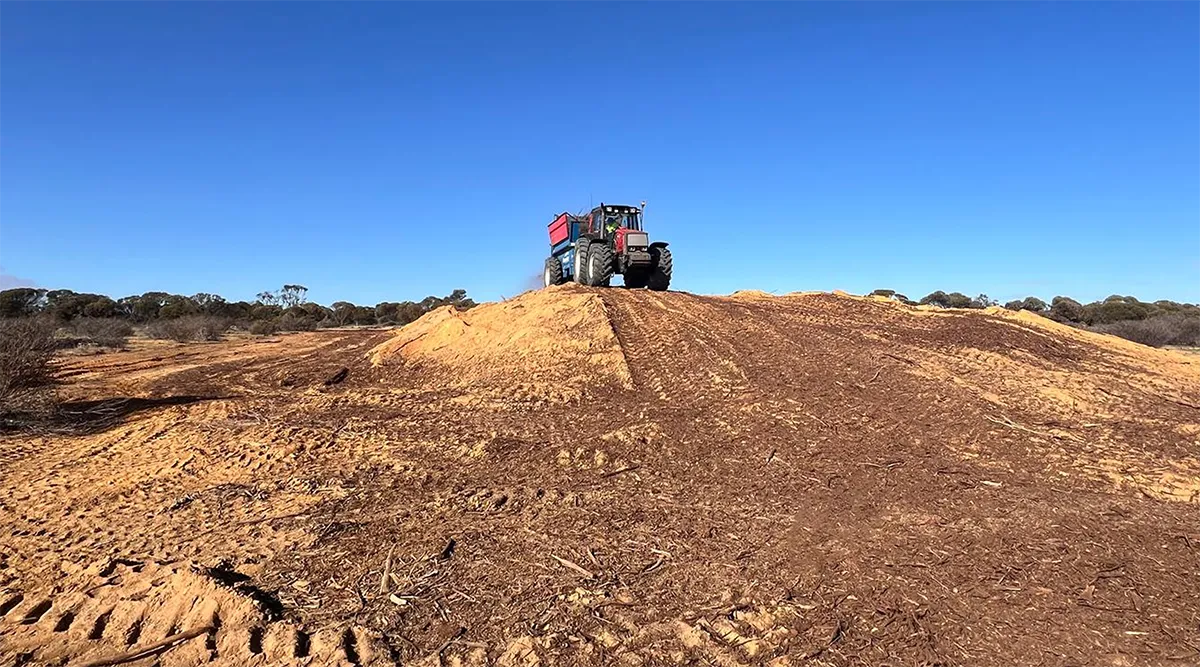
Pilot vaults typically use under an acre; once sealed, the land above can return to farming, recreation, or solar use.

The Science

Terrestrial Storage of Biomass works by moving carbon out of the "fast" biological carbon cycle, where it cycles between atmosphere and biosphere over years, and into the "slow" geological cycle, where it can remain stable for centuries or longer. TSB sits within the broader Biomass Carbon Removal and Storage (BiCRS) category, alongside Biochar Carbon Removal and Bioenergy with Carbon Capture and Storage (BECCS), but is distinct in requiring minimal processing of the biomass itself.
Scaling Potential
Global terrestrial photosynthesis removes roughly 220 gigatonnes of CO₂ from the atmosphere each year, about six times current fossil fuel emissions, and almost all of it returns to the atmosphere through decomposition within years (Zeng et al., 2023). Woody biomass accounts for roughly 70 GtCO₂/year of this uptake. Zeng et al. (2023) estimate a sustainable harvesting potential of up to 10 GtCO₂ per year, under 5% of total terrestrial uptake, sourced from tree residues and otherwise-wasted wood without displacing existing land, timber, or conservation use.
Why Wood Doesn't Decompose in a Vault
Wood is composed mostly of cellulose and hemicellulose, protected by lignin, a dense polymer that most organisms cannot efficiently digest. Decomposition requires fungi, insects, and bacteria working together with oxygen, moisture, and moderate temperatures. A well-built vault removes one or more of these conditions:
  • Anaerobic: A low-permeability barrier (compacted clay with saturated hydraulic conductivity below 10⁻⁸ m/s) cuts off oxygen.
  • Dry: In arid climates, denying moisture alone halts microbial activity.
  • Cold: In polar or high-altitude sites, low temperatures suppress biological activity.
Methane is a common concern with buried organic material, but vaults are restricted to clean coarse wood, with no leaves, no fine biomass, and no contaminants, which limits the nutrient supply that methanogenic bacteria need. This contrasts with landfills, where mixed, nutrient-rich waste generates methane readily.
Evidence for Durability
The strongest evidence for TSB's durability is a 3,775-year-old log discovered buried in dense clay, having lost only about 5% of its carbon over nearly four millennia, attributed to the clay's low permeability and anoxic conditions (Zeng et al., 2024). On the applied side, a 2013 pilot near Montreal buried roughly 35 tonnes of waste wood and has served as an early real-world test bed for vault construction and monitoring methods (Zeng et al., 2023). Durability accounting varies by framework, but the underlying logic is consistent: net emissions from transport, vault construction and operation, and any carbon disturbed during excavation are subtracted from gross carbon stored, measured against a defined baseline for what would otherwise have happened to the wood.
What Makes a Good Project
Quality varies across TSB projects. Strong projects share several characteristics:
  • A genuine baseline: The wood must have a real counterfactual fate: waste, thinning residue, or storm/fire damage that would otherwise have decomposed or been burned. Diverting wood with legitimate higher-value uses does not qualify, and leading registries treat this as a hard eligibility requirement.
  • Sorted, clean biomass: Only structurally intact coarse wood, free of fungal or insect damage, goes into the vault. Nutrient-rich fine biomass and foliage are excluded, as they would otherwise feed decomposition and methane generation.
  • Rigorous site selection: Low-permeability soil, stable geology, low flood and seismic exposure, and a burial depth that stays consistently clear of the water table.
  • Sound engineering: A properly specified seal (commonly at least a meter of compacted clay on all sides), a design suited to local climate and geology, and a credible plan for long-term settling.
  • Verifiable monitoring: Continuous gas and moisture sensors, paired with periodic excavation and lab testing of buried samples.
  • Transparent accounting: A clearly defined project boundary, full life-cycle emissions (transport, construction, monitoring), and a buffer pool tied to demonstrated durability rather than assumption.
  • Legal permanence: A conservation easement or equivalent instrument that blocks future excavation and survives a change in land ownership.
  • Environmental and social safeguards: Minimal disruption to local ecosystems, soil, and water; transparent reporting of any chemical inputs; no displacement of communities; ideally genuine co-benefits such as local jobs and reduced fire risk.
  • Independent verification: Third-party audit against a recognized protocol, with Puro.earth's TSB standard and Isometric's Subsurface Biomass protocol currently the two most established.
Projects face structural limits worth watching for: competing higher-value uses for the wood, elevated exposure to extreme weather or seismic events, loss of nutrient cycling where wood is diverted from soil, and transport economics, since wood is heavy and costly to move over long distances, capping viable project scale to material sourced within a limited radius.

Resources

Contact Us

Take Action on Carbon Removal

Explore how terrestrial storage of biomass can fit into your net-zero strategy. Contact us to discuss tailored solutions for your portfolio.
Talk to Our Team

Other Carbon Removal Technologies